%20(1)-B86R08ZzwhPzS6UZbG3mSxRWPCwGwn.png)


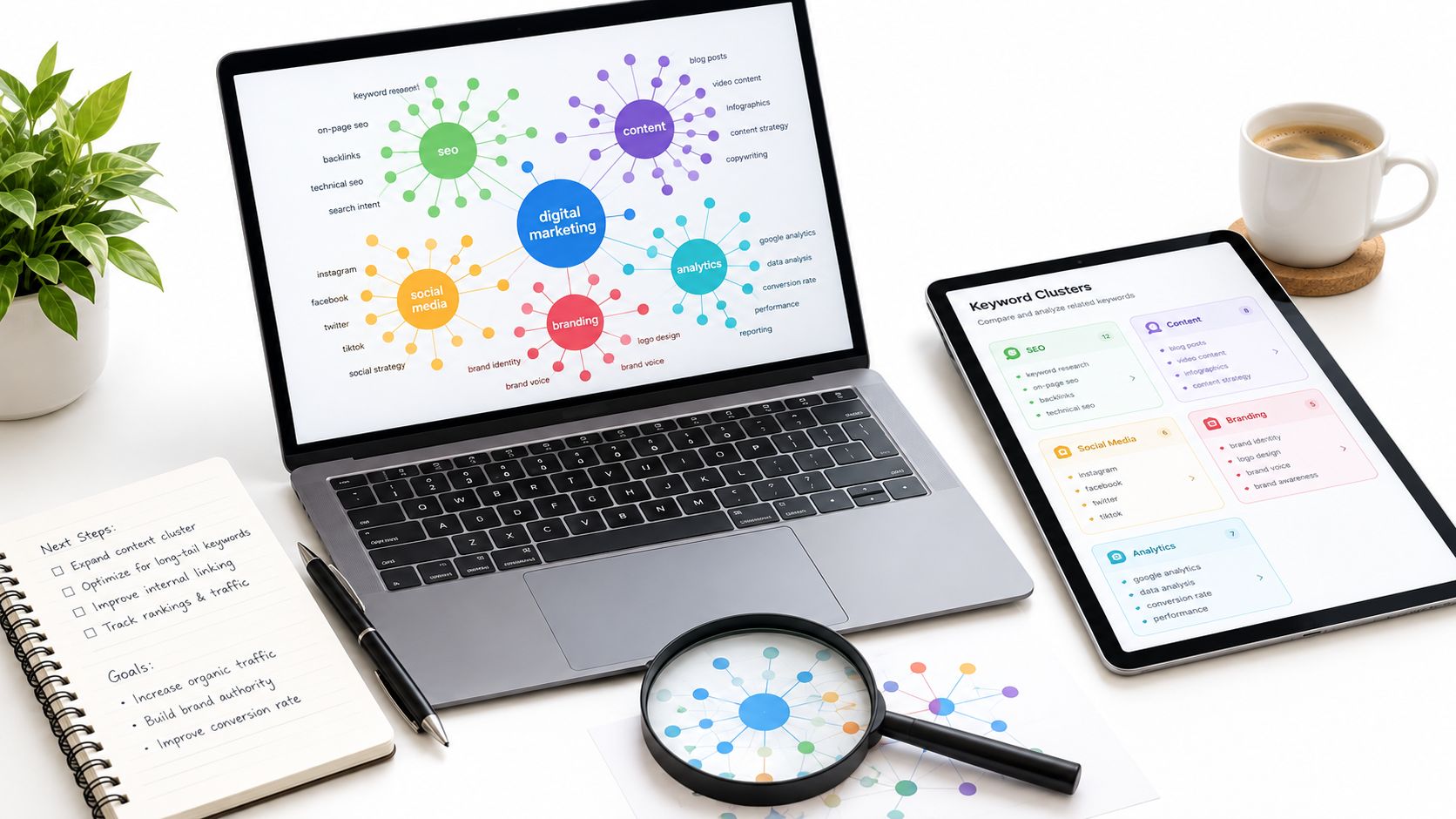
The biggest keyword list usually loses. I've watched teams export thousands of phrases, sort them by volume, and still produce a content plan that sends the wrong page after the wrong query. A spreadsheet full of terms isn't a strategy unless it helps answer five practical questions: Is there viable demand? What does the searcher want? Can this site compete? Which URL should target the query? What should the team build or update next?
I judge every narzędzie do badania słów kluczowych through that workflow. Discovery matters, but validation matters more. I want to inspect the live SERP, compare ranking pages, separate one page topic from another, and turn competitor gaps into assignments a writer or SEO can execute. Google's own planning data helps calibrate third-party estimates, while Search Console reveals what my site already earns impressions for.
The market's growth reflects this broader role. One market study valued keyword research tools at about USD 2.8 billion in 2025 and projected USD 6.9 billion by 2033, with an 11.8% CAGR (Dataintelo's keyword research tools market analysis). That's no longer a niche utility for ad planning.
Below, I've ranked ten options by where they fit after discovery, including whether they help with competitor pages, URL mapping, clustering, SERP interpretation, or AI visibility. I'll start with SemDash because it brings several of those decisions into one workspace, but I'll also show where a second tool or first-party source prevents a bad call. For broader foundational advice, I also recommend these SEO tips from Affiliate Landscape.
Spis treści
- 1. SemDash
- 2. Ahrefs
- 3. Semrush
- 4. Google Keyword Planner
- 5. Moz Pro Keyword Explorer
- 6. KeywordTool.io
- 7. SE Ranking
- 8. Serpstat
- 9. Mangools KWFinder
- 10. SpyFu
- Top 10 Keyword Research Tools, Feature Comparison
- Turn Tool Outputs Into Target Pages
1. SemDash
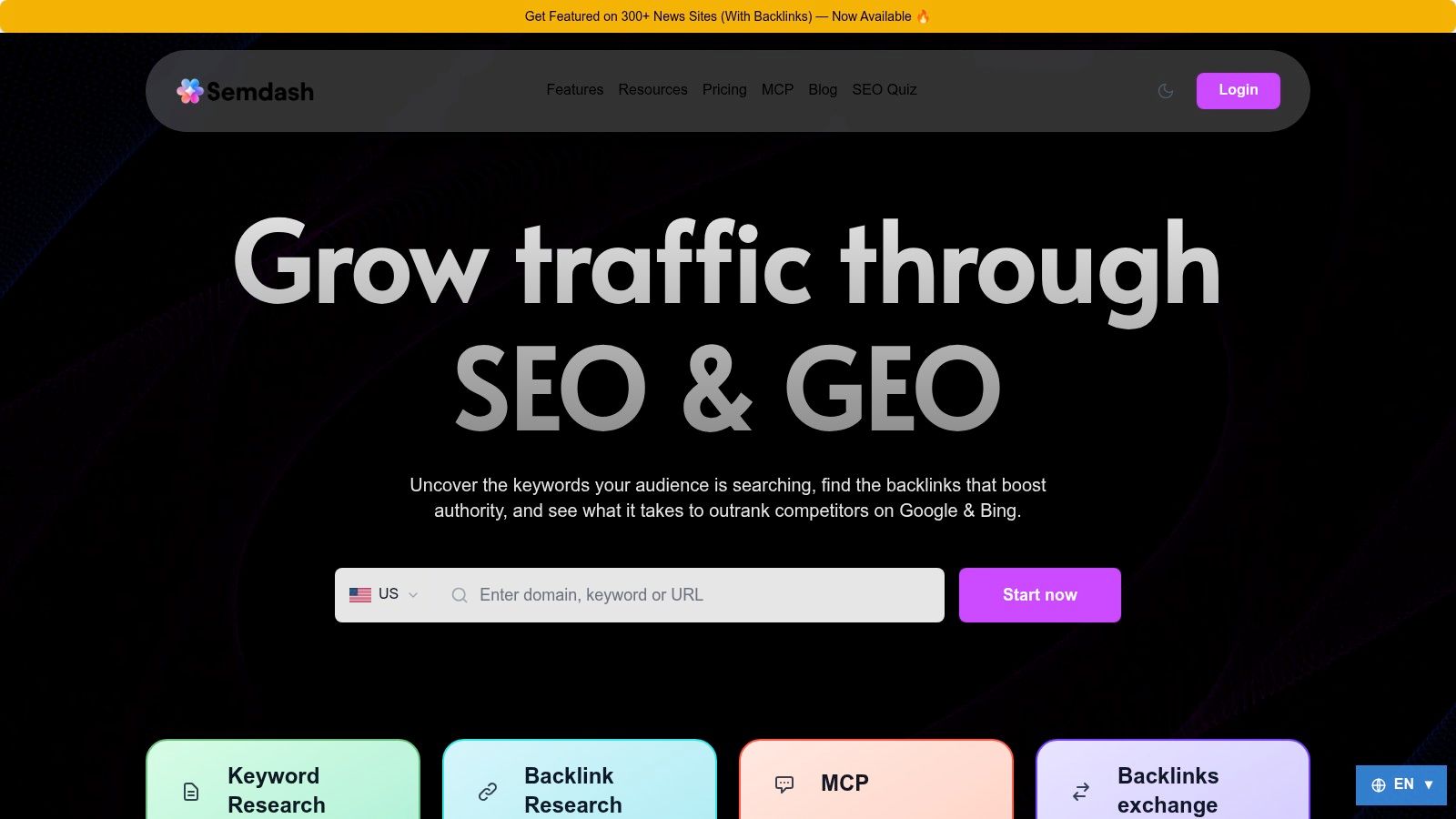
When a competitor's category page owns three related queries, I check URL-level mapping before creating a new brief. SemDash supports that decision by starting with a domain or URL, showing the queries and pages already gaining visibility, and connecting those findings to Luka w słowach kluczowych, Najpopularniejsze strony, Udział w ruchu, and SERP analysis. I can identify the page behind an opportunity, compare it with my current URL, and choose between an update, consolidation, redirect, or new page.
SemDash reports 6.6 billion Google keywords refreshed monthly, a 2.7 trillion backlink index, a 600 million SERPs (SemDash (SemDash)). It also reports more than 15 billion links crawled in 24 hours, which is useful for rapid competitor and backlink checks. I treat these figures as database coverage, not proof of demand. Promising terms still need validation in Google Keyword Planner or Search Console.
Where SemDash earns its place
URL-level ranking attribution is the practical differentiator. A domain-level result can hide cannibalization, outdated pages, or a mismatch between the query and the page type. SemDash lets me inspect the specific ranking URL, compare it with the live SERP, and record the page decision before a writer receives a brief. Its 12-miesięczna historia SERP adds context when rankings fluctuate or search intent shifts.
Clustering combines Ludzie też pytają, related searches, and long-tail suggestions. I use those inputs to define the primary page topic, supporting subtopics, and boundaries between separate URLs. Multiple pages competing for the same keyword can create cannibalization, while clustering overlapping intent produces a clearer page plan, as explained in Nightwatch's keyword clustering guide.
Praktyczna zasada: Record the target URL, dominant SERP intent, and cluster boundary before approving the brief.
Competitor research also extends beyond keyword lists. Domain Keywords and Keyword Gap identify opportunities, while Top Pages and Traffic Share show the formats competitors use. Backlink Gap, anchor context, unlinked mentions, and broken-link recovery can then support outreach tied to a specific page rather than a generic prospect list.
AI Overviews research shows which keywords trigger domain mentions and which URLs receive citations. AI-assisted briefs convert SERP evidence into implementation tasks, and MCP access for Claude or ChatGPT makes live SemDash data available through plain-English queries. The trade-off is coverage. Some power users report fewer keyword results for certain domains than Ahrefs, especially for long-tail variants. Bulk multi-domain research and some enterprise features may also be limited, so I would test the trial or demo if batch analysis drives the account.
2. Ahrefs
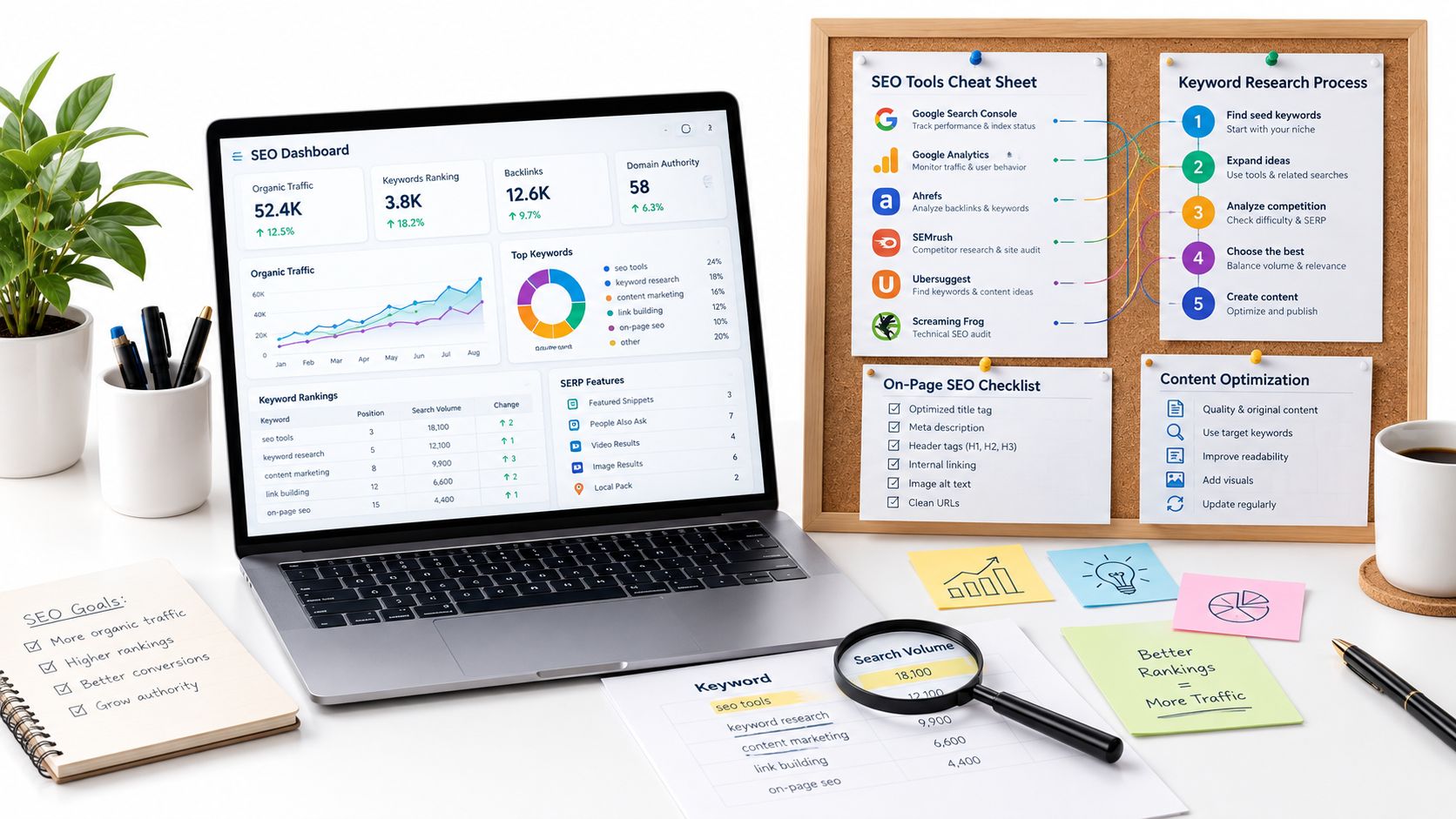
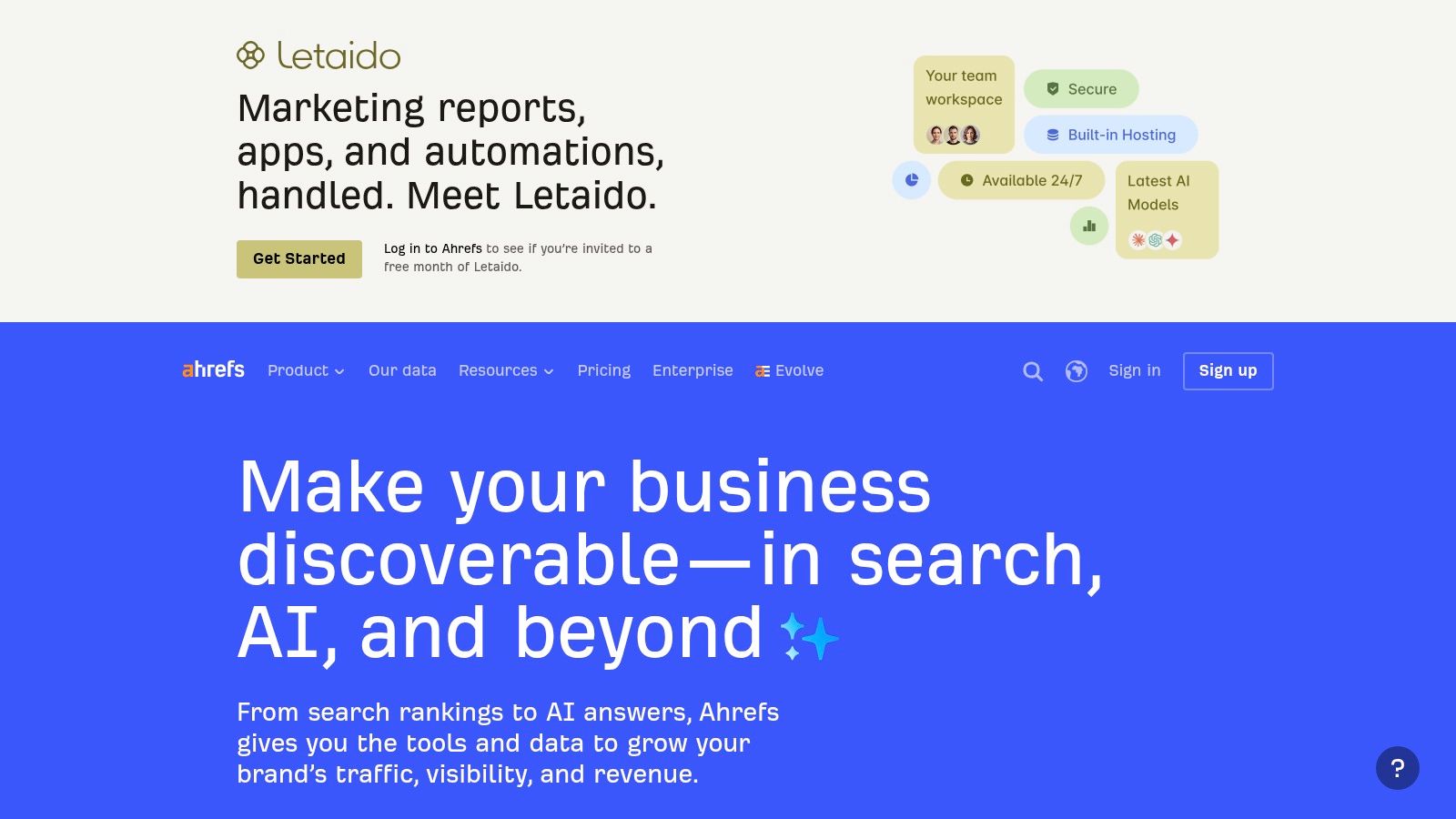
Ahrefs is my choice when backlink context and competitive reverse-engineering carry as much weight as keyword discovery. Keywords Explorer combines keyword ideas, difficulty, volume, intent signals, SERP overviews, and historical SERP data. I can move from a query to the ranking URLs, inspect their referring domains in Site Explorer, and decide whether the opportunity is a content problem, an authority problem, or both.
That page-level pivot is what makes Ahrefs more useful than a large keyword export. If a competitor ranks with a product category page while my site has a blog article, the mismatch tells me more than the difficulty score alone. Ahrefs also promotes up-to-date volumes and 12-month trend forecasting in Keywords Explorer (Ahrefs Keywords Explorer), which is helpful for spotting seasonality and planning updates.
What I'd watch during research
The platform covers Rank Tracker, Site Audit, reporting, keyword clustering, and competitor analysis in the same ecosystem. That reduces tool switching for agencies managing recurring campaigns. Its backlink index is particularly valuable when I'm deciding whether a competitor gap can realistically be closed through outreach rather than content improvements alone.
I also use Ahrefs to interrogate the assumptions behind a shortlist. Keyword difficulty is not a universal truth. Ahrefs says its KD is based on the referring domains of the top-ranking pages, while Semrush describes KD% as an estimate of how hard it is for a new page to enter the top ten (Semrush Keyword Overview). Those scores can't be compared as if they use the same model.
For a deeper explanation of the metrics I check before prioritizing a term, I keep this guide to keyword research metrics beside my workflow.
Ahrefs' main drawback is usage control. Credit-based limits can interrupt heavy research on lower tiers, and the entry cost is higher than lightweight options. I'd choose it when backlink intelligence and SERP depth justify the subscription, not just because its database is large.
3. Semrush
Semrush fits teams that want one broad visibility platform for classic SEO, competitor research, content planning, rank tracking, and AI-search monitoring. I usually begin with Keyword Magic Tool for expansion, move to Keyword Gap for competitor omissions, and then inspect SERP features before assigning a page. That sequence is efficient when the same team owns research, briefs, tracking, and reporting.
Its domain and market analysis adds useful context around share of voice. I don't treat share of voice as a business result by itself, but it helps identify where a competitor's visibility comes from and whether the gap sits in informational content, category pages, or branded demand. The platform also connects keyword lists with topic and cluster views, which makes it easier to turn related terms into a content hub rather than a pile of separate briefs.
Where the platform is strongest
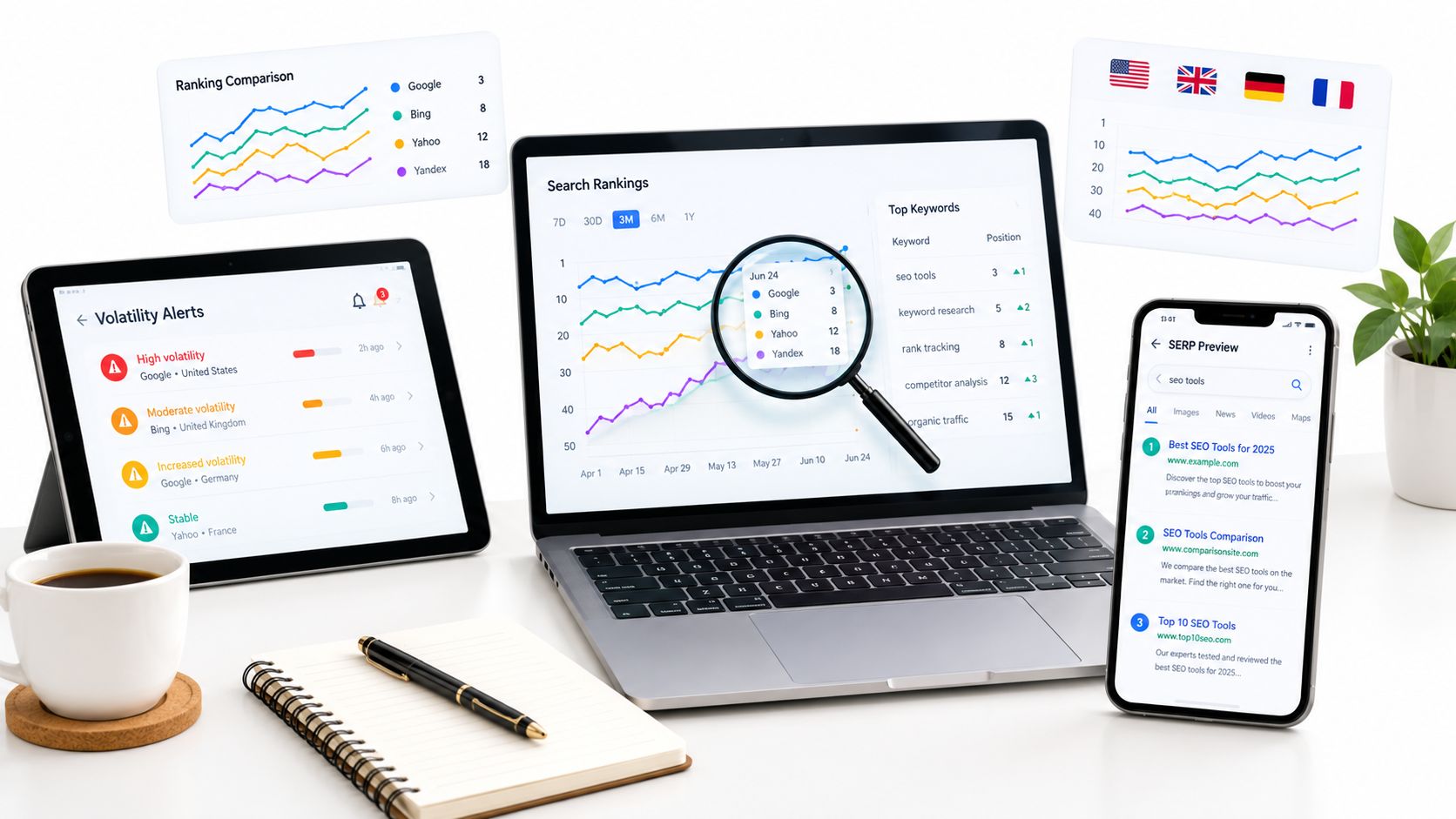
Semrush's AI visibility features extend research beyond traditional rankings. It tracks visibility across Google AI, ChatGPT, Perplexity, and Gemini, with prompt monitoring. That matters because a page can remain relevant to a topic while visibility shifts between classic results and generated answers. I'd use these reports to identify entities, questions, and cited pages that deserve a stronger content or internal-linking response.
The integrated rank tracker and reporting layer works well for agencies. I can preserve the original target list, monitor SERP features, and report on movement without rebuilding the project elsewhere. Semrush also offers content briefs and optimization workflows, so the handoff from research to writing is relatively short.
The limitation is complexity. Plan structures, add-ons, historical data access, and larger limits can become difficult for small teams to compare. I'd also avoid accepting every suggested related term as a separate page. Before building anything, I'd inspect the SERP and use a cluster view to determine whether the query belongs to an existing URL.
For a broader comparison of platforms and workflows, see this keyword research tools guide.
4. Google Keyword Planner
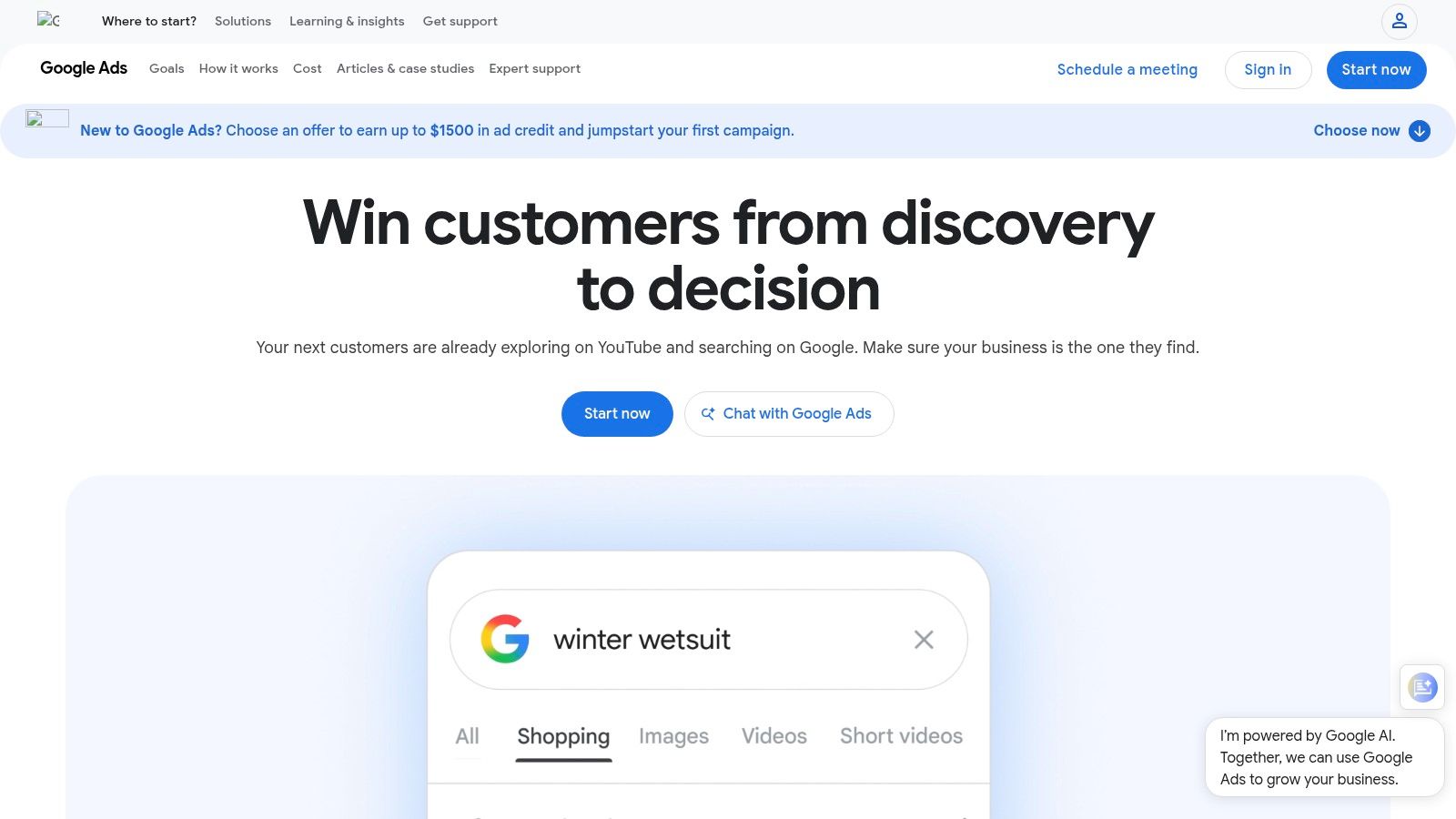
Google Keyword Planner is the first-party check I keep in a workflow even when a paid SEO suite supplies most discovery. Its historical metrics include average monthly searches, competition, and bid ranges (Narzędzie do planowania słów kluczowych Google). Those figures help test whether a third-party estimate is plausible, but they are not a substitute for organic SERP analysis.
I use Planner to audit a shortlist. Set the target location and language before comparing terms, then inspect trend changes and CPC when commercial intent affects prioritization. For example, if a term shows 1,200 monthly searches but Planner groups it into a 1K–10K range with two close variants, I record low confidence and require Search Console impressions before briefing a new page. The grouping can prevent a team from treating several variations as separate demand.
What it does and doesn't tell me
Planner can generate ideas from a seed or website, filter by region, and connect findings with paid campaigns. That connection gives SEO and PPC teams a shared demand reference, particularly when a query's commercial value needs testing before content production. Historical data is available back to August 2021 for supported location and language combinations through Google's data products (Google's historical keyword data documentation).
Its advertising focus creates clear limits. Paid competition does not measure organic ranking difficulty, while low-spend accounts may receive grouped ranges instead of precise estimates. Monthly figures can also lag. I use Planner to validate demand and commercial signals, then map the query to a URL only after checking intent, ranking pages, and existing Search Console coverage.
Validation rule: Treat Planner's ranges and grouped variants as confidence signals. Require live SERP evidence and first-party Search Console data before committing production time.
5. Moz Pro Keyword Explorer
Moz Pro's Keyword Explorer is a good fit when the team values explainable metrics and organized lists over maximum database depth. I can enter a seed, review suggestions and the SERP overview, save a group of related terms, and connect that list to campaign rank tracking. That continuity suits consultants who need to explain why a target was selected without overwhelming a client with dozens of disconnected reports.
The workflow is strongest when I'm curating a manageable editorial backlog. Moz supports ranking analysis by domain, subdomain, path, and page, so I can distinguish a site-wide opportunity from an issue affecting one section. That matters when an existing URL already has impressions and deserves an update instead of a new article.
The trade-off in scale
Moz's interface is clear and approachable, which lowers onboarding friction for small teams. Difficulty, SERP analysis, and list prioritization are easy to discuss in a planning meeting. I'd use those metrics as a starting point, then open the actual ranking pages before assigning a writer.
The database and speed generally trail Ahrefs and Semrush, so I wouldn't make Moz my only platform for a large international competitor study. Some advanced data and features also sit behind higher tiers. That doesn't make it a poor choice. It means the tool is better suited to deliberate list building than exhaustive market extraction.
My practical setup would be Moz for a client-facing keyword portfolio, Google Search Console for first-party queries, and a separate SERP check for the terms with the highest business value. That combination keeps the reporting understandable without allowing a single score to make the decision.
6. KeywordTool.io
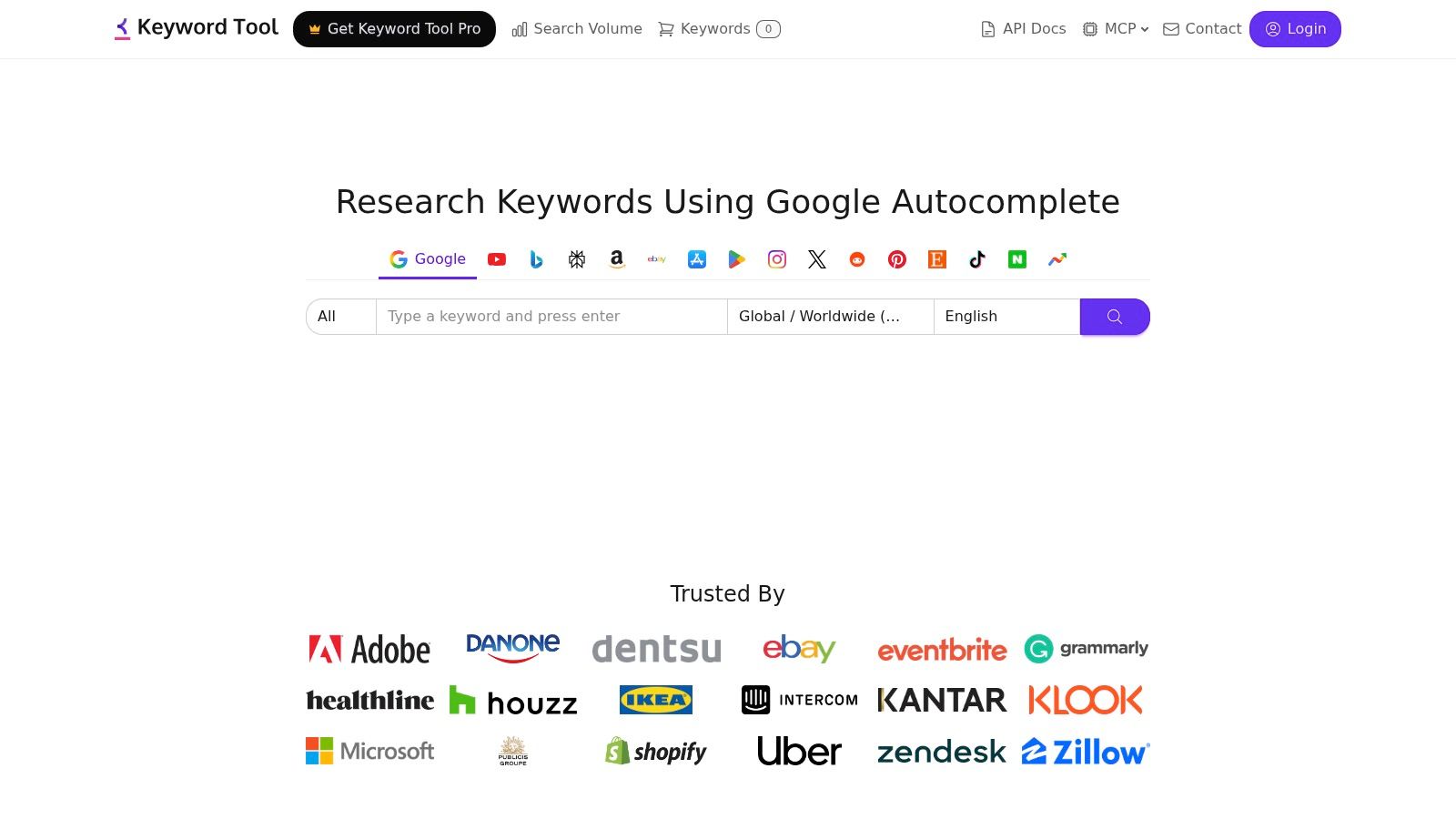
KeywordTool.io earns its place as a long-tail expansion layer. It mines autocomplete across Google, YouTube, Amazon, Bing, TikTok, Reddit, Instagram, and other platforms, so it exposes the language people use in environments that a conventional Google-focused suite may underrepresent. I use it when a seed term is too broad and I need questions, modifiers, product attributes, or platform-specific phrasing.
The distinction matters for content planning. A YouTube query may reveal a tutorial angle, while an Amazon suggestion may expose a buying attribute. A Reddit phrase can show the problem language customers use before they know the product category. Those terms still need validation, but they're often better seeds than another list of close Google variants.
Where it stops
Paid plans add search volume, CPC, competition, trend history, bulk checks, and API access. The tool can therefore support programmatic enrichment, but it isn't a complete SEO operating system. There's no reason to expect it to replace a crawler, rank tracker, backlink platform, or full SERP analysis suite.
I'd export the suggestions, remove duplicates, group them by intent, and send only the strongest clusters into a primary platform. For example, “how to choose a standing desk for back pain” and “best standing desk for back pain” may look similar but lead to different page types. I'd inspect the results before deciding whether they belong in one guide, separate commercial content, or a product category.
Per-day request caps vary by plan, and teams working at very high volume may need API or custom arrangements. For a solo SEO or content strategist, the light interface and cross-platform coverage are more valuable than a large set of advanced reporting features.
7. SE Ranking
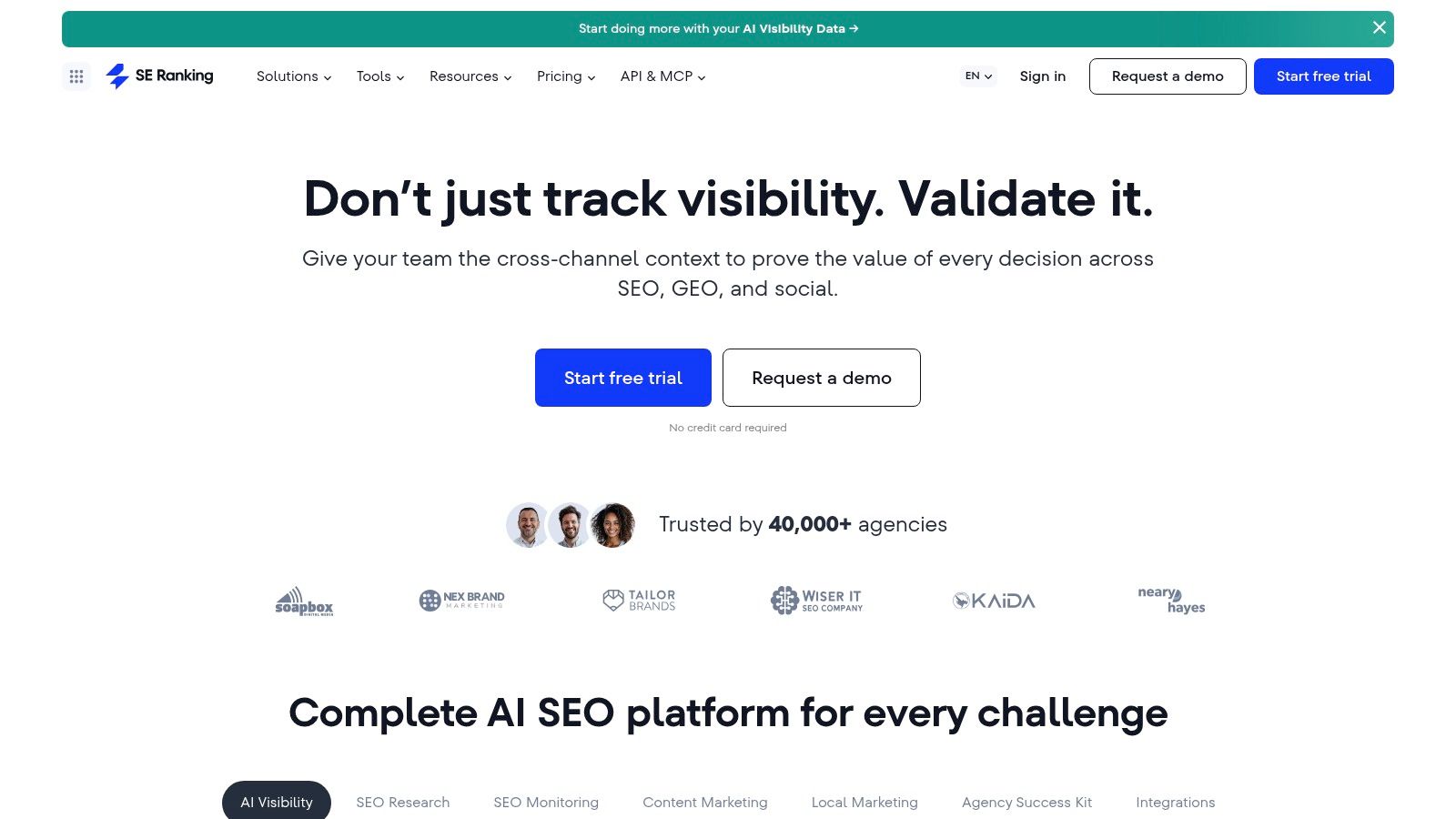
SE Ranking is a practical all-in-one option for small teams and agencies that need keyword research, competitor analysis, rank tracking, audits, backlinks, reporting, and clustering without building a complicated stack. I like it for projects where the deliverable is operational: identify the gap, group the terms, assign the target URL, track the result, and report progress.
Its Keyword Grouper helps reduce the common mistake of treating every phrase as a page. I use the grouping output as a draft, then inspect representative SERPs because algorithmic similarity doesn't always reflect the business distinction between a category page, comparison guide, and support article. The platform also flags SERP features and supports share-of-voice reporting, which helps teams see whether visibility is changing in the result types that matter.
A sensible SMB workflow
SE Ranking's flexible limits and approachable interface work well when the team has a defined project scope. Site audits and backlink analysis sit close to research, so I can check whether a keyword opportunity depends on fixing technical problems or strengthening authority first. Optional API credits and add-ons provide a path to scale without forcing every smaller account into an enterprise workflow.
The trade-off is depth. International coverage and long-tail discovery can be thinner than the largest suites, and very high-volume API use may require additional capacity or custom terms. I'd test the markets that matter before standardizing it across multilingual clients.
For a local business, I'd rather have a smaller, well-organized keyword set with daily tracking than an enormous database nobody acts on. SE Ranking supports that style, provided I supplement it with Search Console and manual SERP review for priority pages.
8. Serpstat
Serpstat stands out when clustering and broad SERP capture matter more than a polished premium interface. Its keyword selection, related suggestions, Top Pages, trends, intent filters, and clustering features support the shift from phrase collection to page planning. I find the Top Pages view particularly useful when competitor research starts with a keyword rather than a domain.
The platform's Top-100 SERP capture can reveal patterns that a top-ten-only view misses. I can see whether the topic is dominated by established publishers, specialist sites, forums, product pages, or mixed results. That wider context helps identify whether a new page needs a narrow angle rather than another generic version of what already ranks.
When the budget trade-off makes sense
Serpstat offers a broad suite across keyword research, rank tracking, audits, backlinks, reporting, API, and MCP or AI integrations. Teams that need clustering and large SERP context may get more practical value from that breadth than from paying for the most polished interface available.
The limitations are visible during heavy research. The interface and data depth may feel less refined than top-tier competitors, while daily search and export limits require careful plan selection. I'd define the expected number of domains, markets, and clusters before choosing a tier.
My workflow would start with competitor Top Pages, move into keyword groups, then validate representative terms in the live SERP. I'd record the dominant content type and the proposed URL for each cluster. Without that final mapping step, even strong clustering can become a collection of pages that overlap in purpose.
9. Mangools KWFinder
Mangools is the easiest recommendation here for a blogger, niche-site owner, or small business that wants quick long-tail research without a steep learning curve. KWFinder combines suggestions, difficulty, localized volumes, and a SERP overview, then connects with SERPChecker, SERPWatcher, LinkMiner, and SiteProfiler.
I use it when speed and clarity matter more than exhaustive competitive intelligence. Enter a seed, review the suggestions, open the SERP for plausible terms, and save a short list. That workflow is enough for a local service page or a focused editorial calendar, especially when the person doing research also has to write and publish.
What beginners should avoid
The approachable interface can make difficulty scores feel more definitive than they are. I still inspect the ranking pages, look for mismatched intent, and check whether the top results have a format I can realistically produce. A low score doesn't make a keyword valuable if the searcher wants a product page and the site can only offer an informational article.
KWFinder supports bulk imports and daily caps based on the plan, but the database is smaller than enterprise suites. Power users may outgrow it when they need deep competitor gaps, large international studies, or extensive backlink context. KWFinder is also sold as part of the Mangools bundle rather than as a standalone product.
For a small site, that bundle can be a benefit. SERPWatcher gives me a way to monitor selected targets, while LinkMiner helps investigate the authority profile behind difficult results. I'd pair Mangools with Google Search Console before buying a larger platform, then upgrade only when research limits or competitor depth genuinely block execution.
10. SpyFu
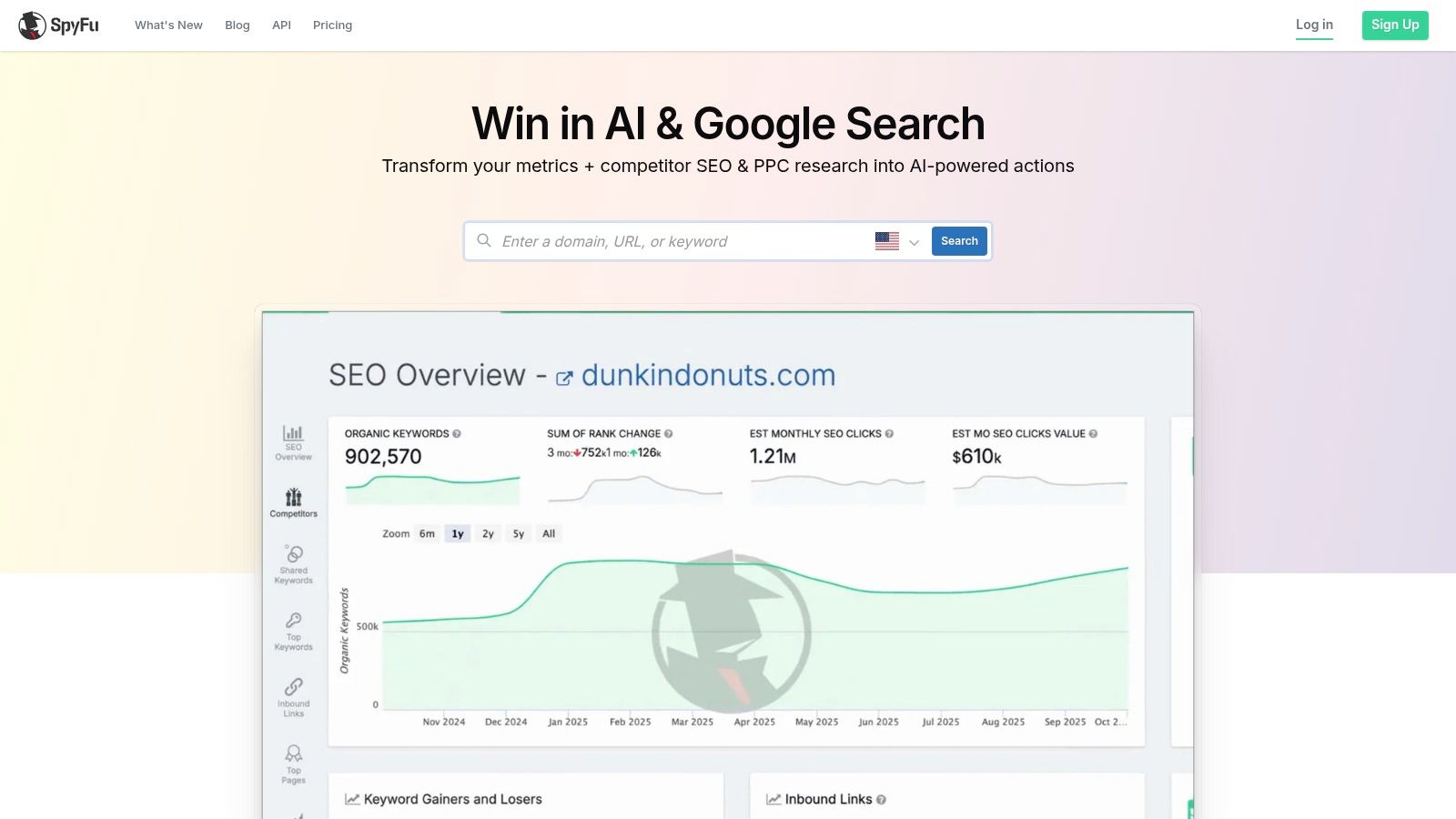
SpyFu is built around a question I ask often: What are competitors willing to target repeatedly in both organic search and paid search? Its Related Keywords and Keyword Overview reports surface volume, CPC, and difficulty, while competitor ad and keyword history expose overlap between PPC and SEO.
That crossover is valuable for commercial planning. A phrase with persistent ad activity may deserve a landing page, comparison page, or product improvement even if an SEO tool's volume estimate looks unremarkable. I don't assume paid activity proves organic opportunity, but it gives the revenue team a useful signal about commercial language and competitor priorities.
Why I'd validate its numbers
SpyFu's onboarding and entry positioning suit lean teams, and rank tracking plus reporting round out the basic workflow. It's good at quickly surfacing competitor terms, especially when I'm starting from known rivals rather than a blank seed list.
The limitation is breadth and measurement confidence. Volume and accuracy can vary against larger suites, so I'd validate important terms with Google Keyword Planner, Search Console, and a live SERP inspection. The platform also lacks the depth of a full all-in-one system for technical audits, large-scale page mapping, and broad content operations.
My approach is to use SpyFu for competitor-led discovery, tag each term by paid or organic relevance, and then verify the page type before creating a brief. If the competitor ranks with a guide but buys ads for a product page, that's a sign I may need two assets rather than one page trying to satisfy incompatible intents.
Top 10 Keyword Research Tools, Feature Comparison
| Narzędzie | Core features / coverage | Unikalne punkty sprzedaży (✨) | UX & quality (★) | Pricing & audience (💰 👥) |
|---|---|---|---|---|
| 🏆 SemDash (SemDash) | 6.6B keywords, 2.7T backlinks, URL‑level mapping, 12‑mo SERP history, AI briefs, backlink workflows | ✨ URL‑level ranking attribution; AI Overviews & citation tracking; unlinked‑mention + broken‑link recovery; MCP AI access | ★★★★☆, fast, clean UI; highly actionable | 💰 Low‑Mid, free trial/demo, 👥 Agencies, growth teams, solo SEOs |
| Ahrefs powiedział: | Keywords Explorer, Site Explorer, massive backlink index, rank tracking, audits | ✨ Industry‑leading data freshness & backlink context for reverse‑engineering | ★★★★★, top-tier accuracy & SERP tools | 💰 High, 👥 Enterprise SEOs, agencies, data‑driven teams |
| Semrush powiedział: | Keyword Magic, Keyword Gap, topic clusters, rank tracking, AI visibility | ✨ End‑to‑end workflows + AI visibility across Google/LLMs | ★★★★☆, comprehensive but complex at scale | 💰 High, 👥 Marketing teams, agencies, product marketers |
| Narzędzie do planowania słów kluczowych Google | Seed discovery, volume/CPC forecasts, location filters, campaign integration | ✨ First‑party volume/CPC data; direct Ads integration for testing | ★★★☆☆, reliable for paid data, limited long‑tail | 💰 Free, 👥 Advertisers, PPC managers, budget‑conscious SMEs |
| Moz Pro (Keyword Explorer) | Suggestions, difficulty, SERP overview, list building, rank tracking | ✨ Clear, explainable metrics and list/workflow sync | ★★★★☆, learnable UX for teams & consultants | 💰 Mid, 👥 Consultants, small SEO teams |
| KeywordTool.io | Cross‑platform autocomplete (Google, YouTube, Amazon, etc.), volumes & trends (paid) | ✨ Excellent long‑tail expansion across platforms; API access | ★★★★☆, fast long‑tail discovery tool | 💰 Mid, 👥 Content creators, e‑commerce, researchers |
| SE Ranking | Keyword research, daily rank tracking, audits, backlink analysis, grouping | ✨ Flexible pricing, approachable UI, practical SMB limits | ★★★★☆, good breadth‑for‑price | 💰 Low‑Mid, 👥 SMBs, small agencies |
| Serpstat | Keyword research, clustering, Top‑100 SERP capture, trends | ✨ Strong clustering + Top‑100 SERP capture at budget price | ★★★★☆, value oriented but less polish | 💰 Budget, 👥 Teams needing clustering & SERP depth |
| Mangools (KWFinder) | KWFinder long‑tail research, SERPChecker, SERPWatcher, LinkMiner | ✨ Beginner‑friendly long‑tail/local toolset; easy workflow | ★★★★☆, very approachable for beginners | 💰 Low, 👥 Bloggers, niche sites, small businesses |
| SpyFu | Competitor keyword/ad history, related keywords, rank tracking | ✨ PPC + SEO crossover insights and historical ad intelligence | ★★★★☆, practical for quick competitor intel | 💰 Low, 👥 Small budgets, PPC/SEO crossover teams |
Turn Tool Outputs Into Target Pages
A useful keyword research process starts with the page, not the export. I define the business goal, the product or service involved, and the searcher's likely stage before opening a tool. “Best payroll software for agencies” and “how to run payroll for an agency” may belong to the same topic area, but they imply different expectations, page formats, and conversion paths.
I then collect seeds from existing site sections, customer language, Search Console, competitors, autocomplete sources, and the specialist tools above. A primary platform such as SemDash, Ahrefs, Semrush, or SE Ranking is useful for competitor gaps and URL-level analysis. KeywordTool.io or SpyFu can add a different discovery angle, while Google Keyword Planner can challenge volume assumptions.
The next step is validation. Google says Keyword Planner shows search frequency, change over time, historical average monthly searches, competition, and bid ranges (Google's Keyword Planner guidance). Those signals are helpful, but they don't decide whether an SEO page can win. Paid competition isn't organic difficulty, and volume doesn't reveal whether the SERP satisfies an informational, commercial, transactional, or navigational need.
I open the live result page for every serious candidate. I record the dominant content type, the recurring entities and questions, the strength of the ranking pages, SERP features, and whether the current results leave a meaningful gap. If the query returns product pages, I don't force a blog post into it. If the results are comparison guides, I don't send a product page unless the SERP evidence supports that format.
The page assignment is the decision. The keyword is only the input.
Clustering comes after intent review, not before. I group queries when they share the same search need and overlapping ranking pages, then assign one primary URL to the cluster. Supporting questions can become sections, FAQs where appropriate, internal links, or separate pages only when the SERP and business purpose justify the split. This prevents two articles from competing for the same audience while still allowing one strong page to rank for natural variations.
Finally, I record why each target deserves effort. The strongest shortlist combines demand, intent fit, ranking-page evidence, business value, and a realistic execution path. I also note the confidence level of the demand estimate, especially for long-tail terms or markets where third-party data appears thin. An Ahrefs study cited in a recent roundup found that Google Keyword Planner overestimated volume for 91.45% of 72,635 terms, so I treat volume as directional and validate high-stakes decisions with first-party Search Console, paid tests where appropriate, or direct SERP observation (the keyword research statistics roundup).
Search behavior is also becoming more conversational and multi-modal. A cited set of 2025 data reported that “Tell me about” searches rose 70% year over year, while “How do I” searches rose 25% year over year (Resourcera's keyword research statistics). Separate guidance on AI-driven search notes that only 5.4% of AI Overviews contained exact query matches, which reinforces why exact-match lists aren't enough for AI visibility (01net's keyword research tools guide). I map entities, question chains, cited URLs, and topic relationships alongside the traditional keyword list.
Choose one primary platform that matches your workload. Add a specialist tool only when it closes a clear gap, such as cross-platform autocomplete, paid-search history, broader SERP capture, backlink context, or first-party demand validation. The best stack isn't the one with the most dashboards. It's the one that gets a defensible target URL into production and gives the team a reason to improve it.
SemDash combines domain and URL-level keyword research, competitor gaps, SERP history, clustering, backlink intelligence, AI-assisted briefs, and AI Overviews citation tracking in one workspace. Use SemDash (SemDash) to test your shortlist, identify the exact pages worth improving, and turn competitor research into an executable content plan.